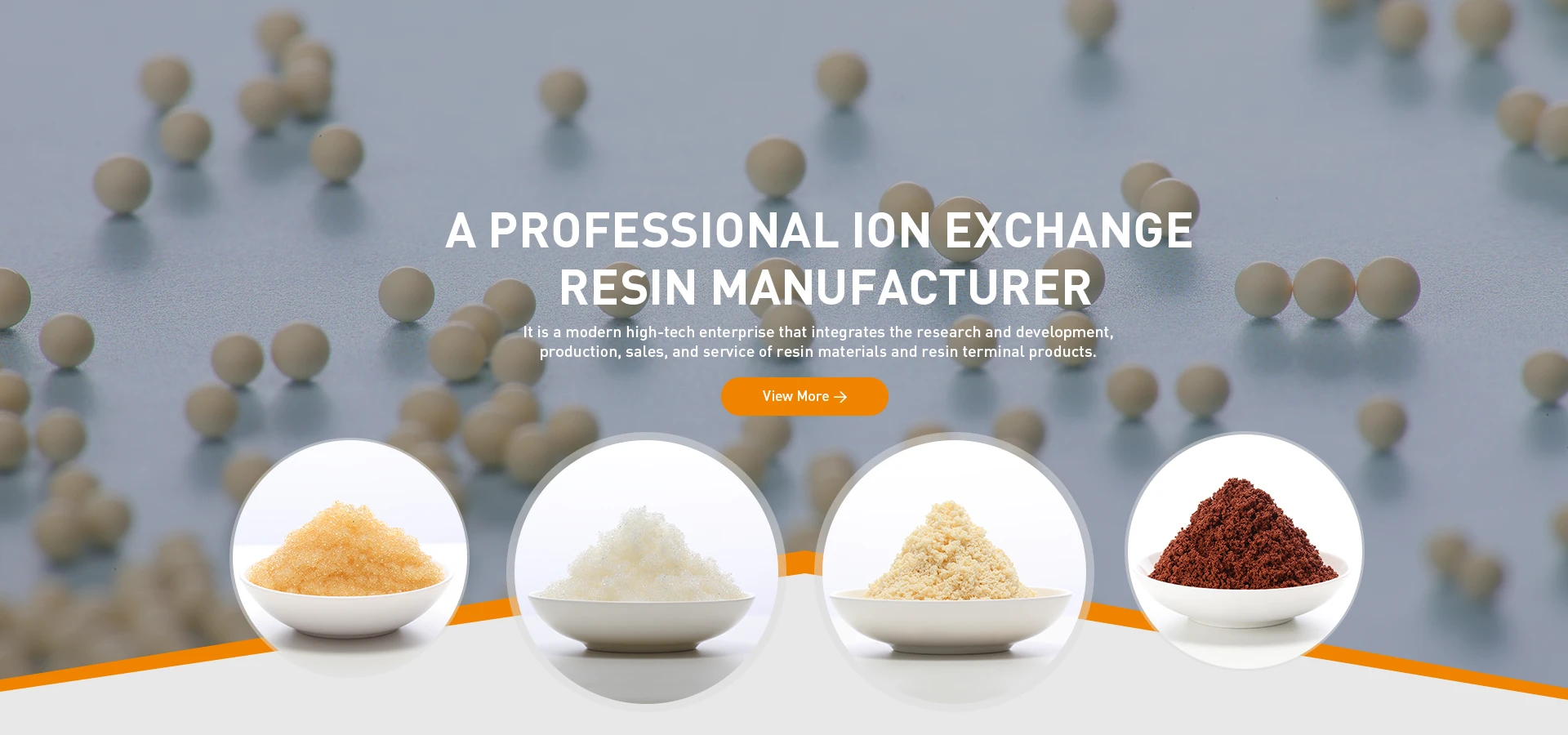
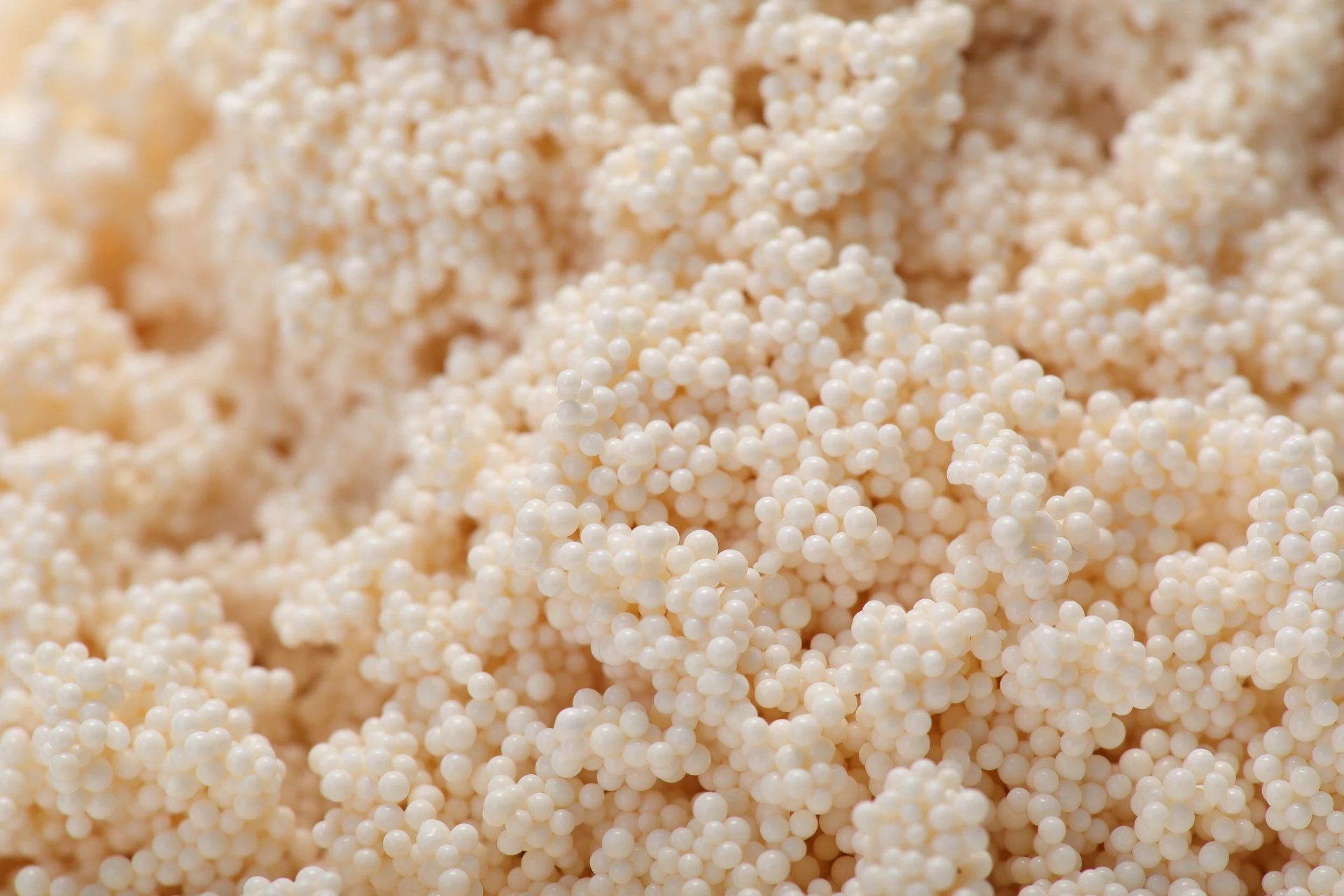
water softener resin beads
What Are Cation Resin Beads and Why Should You Care? Ever wonder how clean water gets rid of those pesky heavy metals or hardness minerals? The answer often lies with tiny powerhouses called cation resin beads . They’re not just chemical curiosities but essential materials underpinning water softening, purification, and countless industrial processes worldwide — from the sprawling factories in China to remote humanitarian water projects in sub-Saharan Africa. Understanding these beads means getting closer to solving one of humanity’s persistent challenges: access to safe, clean water and efficient resource usage. With global freshwater stress predicted to affect almost half the world’s population by 2025 (UN Water), it’s clear why technologies leveraging cation resin beads matter more than ever. The Global Context of Cation Resin Beads Industries and municipalities constantly face challenges cleaning and treating water as populations grow and standards tighten. According to the International Organization for Standardization (ISO 14001), sustainable water treatment technologies are critical to meet environmental goals. In real terms: The World Bank estimates water-related infrastructure spending will top $1 trillion annually over the next decade. Much of this relies on ion exchange processes using cation resins — not just for water, but for battery recycling, metal recovery, food & beverage processing, and pharmaceutical purity. They really are the “unsung heroes” of chemical separation technology. Yet these beads come with challenges: efficiency loss, regeneration costs, and environmental concerns tied to resin disposal. Hence, innovation and careful application are central to maximizing their potential. What Exactly Are Cation Resin Beads? At their core, cation resin beads are small, spherical polymer beads charged to attract positively charged ions (cations) like calcium (Ca²⁺), magnesium (Mg²⁺), and heavy metals (Pb²⁺, Cd²⁺). Think of them as microscopic bouncers sorting out unwanted guests to improve water quality or recover valuable metals. They work via cation exchange , swapping harmful or excess minerals for benign ions like sodium (Na⁺). Used in water softeners, cation resins help prevent scale buildup and improve taste and safety. These beads are more than just chemistry: they’re vital for industries producing everything from bottled water to semiconductors, and humanitarian organizations that provide safe drinking water amid crises. Key Components That Make Cation Resin Beads Tick 1. Durability Good cation resins can withstand thousands of regeneration cycles without breaking down. Poor durability means frequent replacement and operational downtime — nobody wants that in a critical water treatment plant. 2. Capacity & Selectivity The effectiveness of a resin depends on how many ions it can hold per volume and its preference for certain ions. High capacity means less frequent regeneration, boosting efficiency and cutting costs. 3. Regeneration Efficiency After the resin captures unwanted ions, it needs "resetting" via chemicals like sodium chloride. Efficient regeneration uses less chemical and time, helping plants stay green and lean. 4. Particle Size & Flow Rates Smaller beads provide larger surface area but can cause pressure drop issues, while larger beads promote better flow but less exchange capacity. Achieving the right balance is key for different applications. 5. Chemical & Thermal Stability Resin beads must stay stable across various pH levels and temperatures to work reliably, especially in industrial settings with harsh process fluids. Product Specification Table Specification Typical Range Unit Bead Diameter 0.3 – 1.2 mm Exchange Capacity 1.8 – 2.3 meq/mL Moisture Content 45 – 55 % Operating pH Range 0 – 14 pH Max Operating Temp 100 °C Mini takeaway: These specifications reveal the complexity behind what seems like simple beads. Each parameter tweaks performance to fit unique needs. Global Applications Driving Industry and Humanitarian Efforts From bustling chemical plants in Europe to rural water purification setups in India, cation resin beads are quietly pivotal. Here are some real-life examples: Municipal Water Treatment: Large cities employ cation exchange resins to soften hard water, reduce scaling, and comply with drinking water standards. Industrial Effluent Management: Factories use these beads to strip toxic metals before releasing wastewater, protecting ecosystems. Battery Recycling: In the shift towards electric vehicles, cation resins recover lithium and cobalt ions, aiding circular economy efforts. Emergency Relief: NGOs deploy mobile water treatment units with resin beds after natural disasters, providing safe drinking water where infrastructure is damaged. Food & Beverage Industry: Ensuring mineral content and pH balance in products like juice or soft drinks depends on ion exchange technology. Oddly enough, some remote mines in Australia rely primarily on cation resins paired with solar-powered pumps to treat groundwater for onsite processes — talk about rugged adaptability. Vendor Comparison Table: Popular Cation Resin Providers Vendor Resin Type Capacity (meq/mL) Typical Applications Price Range Liji Resin Co. Gel-type Strong Acid 2.2 Water softening, industrial effluent $$ IonEx Solutions Macroporous 2.0 Heavy metal removal, battery recycling $$$ PureTech Resins Gel-type Weak Acid 1.8 Food & beverage, pharmaceuticals $ Mini takeaway: Choosing the right resin supplier means balancing capacity, application fit, and cost. And yes — sometimes that “cheap” option may cost more in the long run. The Long-Term Advantages of Cation Resin Beads Here’s where the magic starts to show. Using cation resin beads: Cuts operational costs by reducing chemical usage and maintenance frequency. Keeps processes cleaner and regulatory-compliant, avoiding fines or shutdowns. Supports sustainability , especially when paired with green regeneration methods. Preserves resources by enabling recovery of valuable metals often otherwise lost. Protects vulnerable communities with effective water purification, enhancing health and dignity. There's also an emotional element: knowing your water or product is held to stringent standards creates trust — and frankly, peace of mind. Who doesn’t want that? Innovations and the Road Ahead The industry isn’t standing still. Some promising trends include: Biodegradable resins: tackling disposal and environmental impact. Hybrid materials combining adsorption & exchange: removing multiple contaminants simultaneously. Automation in resin monitoring: AI sensors predicting exhaustion before failures. Energy-efficient regeneration methods: cutting salt and water waste. Integration with renewable energy sources: powering resin regeneration plants off-grid. Such advances promise to increase efficiency and reduce ecological footprints even further — a win-win for everyone involved. Addressing Challenges with Practical Solutions Despite their benefits, cation resin beads face issues like: Fouling from organic compounds reducing resin life. Disposal concerns due to residual pollutants. Cost barriers for small-scale operators. Experts advise: combining regular backwashing, pre-filtration, and innovative regeneration chemistries can extend resin lifespan sustainably. Plus, collaborative recycling programs reduce waste. FAQ: Your Cation Resin Beads Questions Answered Q1: How often do cation resin beads need replacing in water softeners? A: Typically, high-quality beads last 10 to 15 years under optimal conditions. However, factors like water quality, regeneration frequency, and maintenance affect this. Monitoring performance and periodic testing helps plan timely replacement. Q2: Are cation resin beads safe for drinking water applications? A: Yes. Certified cation resin beads meet strict ISO and NSF standards ensuring no harmful leaching. They are widely used in municipal water treatment systems worldwide. Q3: Can I use cation resin beads to remove heavy metals like lead? A: Absolutely. Cation resin beads have strong affinity for many heavy metal cations, effectively reducing contaminants like lead, cadmium, and mercury from aqueous solutions. Q4: How does bead size impact water treatment performance? A: Smaller beads provide more surface area and faster ion exchange but can increase pressure drop in treatment columns. Larger beads allow better flow but lower capacity. The ideal size depends on system design and application. Q5: Where can I source high-quality cation resin beads for industrial use? A: Companies like Liji Resin specialize in manufacturing durable, efficient resin beads tailored for diverse industrial needs globally. Wrapping Up In the big picture, these small polymer spheres make a huge difference—enabling cleaner water, sustainable industries, and healthier environments. With ongoing innovation, cation resin beads aren’t just staying relevant; they’re evolving as indispensable tools in the fight for safe water and responsible resource management. Feeling curious? Dive deeper or source your next batch at https://www.lijiresin.com . Because sometimes the smallest beads shape the biggest futures. References UN Water - Water Scarcity ISO 14001 Environmental Management World Bank - Water Resources Management
-
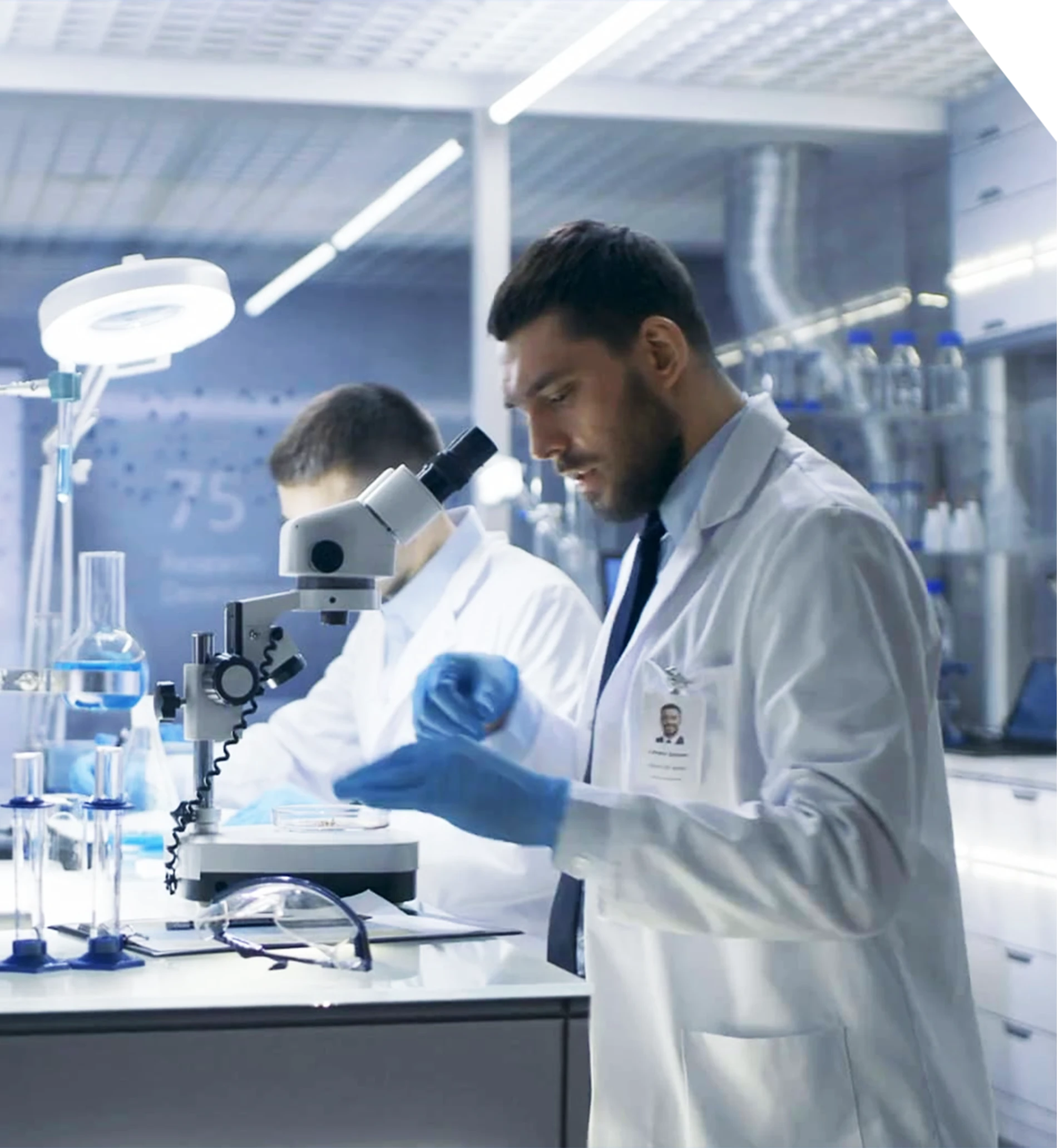
 Strong R & D Capability And Experienced Technical Team
-
Provide Customers With Competitive And Differentiated Products